Introduction
Leaving your belongings at a storage facility naturally involves trust. Whether you are storing furniture, personal items, business stock, or equipment, you want to know they will be safe until you need them again. If you are looking for trusted self storage in Doncaster, understanding the security features offered by a storage facility can help you choose with greater confidence. Effective storage security does not rely on a single feature. Instead, it comes from several measures working together, including controlled access, monitoring, lighting, secure locks, and proper site management. This guide explores the key security features used by storage facilities, explains what to look for before renting, and shares practical ways to help keep your belongings protected.
Why Choosing a Secure Storage Facility Is Important
Storage is often used during important or busy periods, such as moving house, clearing space, renovating, or managing business stock. Many stored items are valuable, difficult to replace, or personally important. That is why security should never be treated as an afterthought. A secure storage facility helps reduce risk by controlling who can enter, keeping the site visible, and making sure each unit is properly protected. The stronger the overall system, the more confidently you can store your belongings.
Why Good Storage Security Relies on Multiple Protective Measures
Effective storage security is achieved when several protective measures work together rather than relying on a single feature. Controlled access helps restrict who can enter the site, CCTV helps monitor activity around the site of key areas, good lighting improves visibility, and secure fencing and gates create an additional physical barrier. Strong unit locks protect individual storage spaces, while routine site inspections help ensure security systems remain in good working order. Each layer supports the others, creating a more reliable level of protection than any single measure could provide on its own. When assessing a storage facility, it is worth considering how these features combine to safeguard customers’ belongings.
How Controlled Access Helps Protect Storage Units
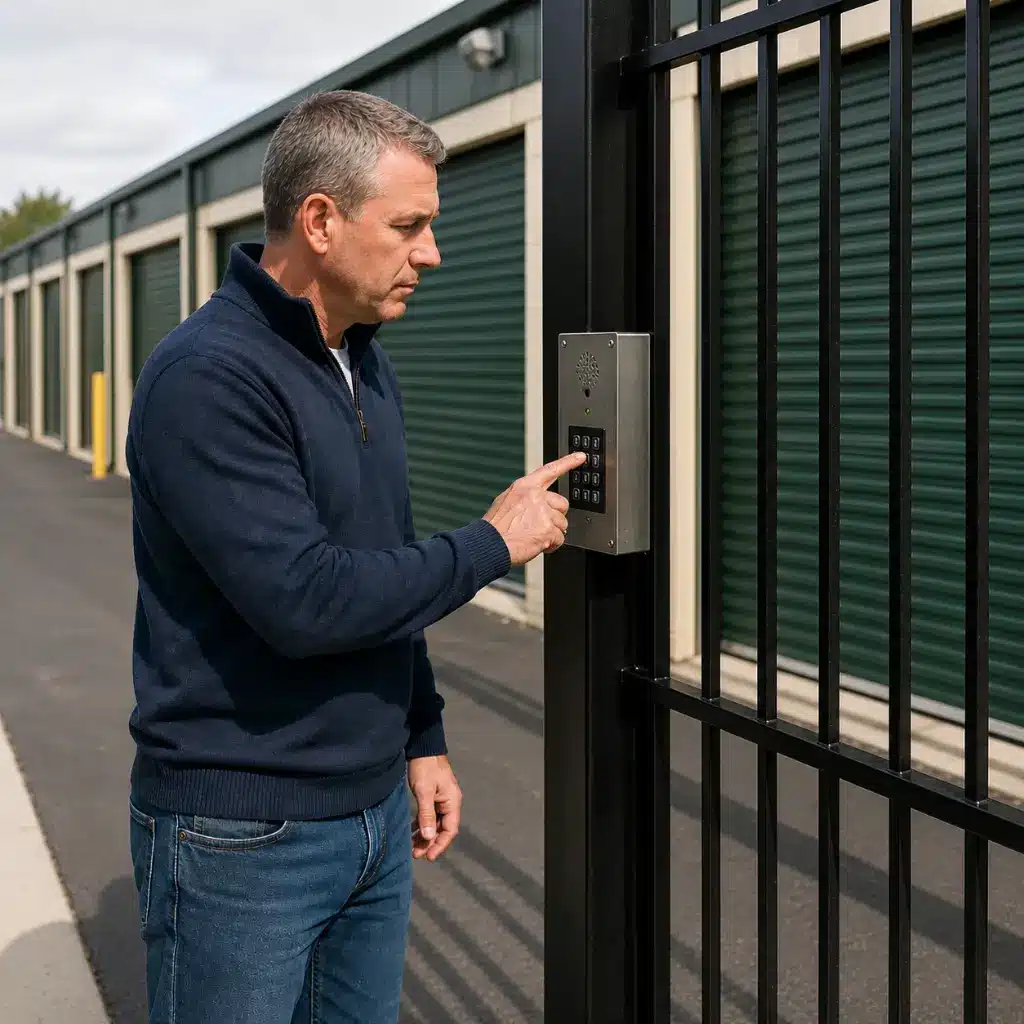
The first security measure is controlling who can enter the site. Well-run facilities do not leave storage areas open to anyone passing by. Entry may be managed through gates, codes, authorised access, or other controlled systems. The method can vary, but the aim is the same: only genuine users should be able to reach the units. When viewing a facility, look at how access is handled. A site that feels properly restricted is usually more reassuring than one where entry appears too casual.
Why CCTV Supports Storage Security
Visible cameras can act as both a deterrent and a record of activity. Visible CCTV can deter unauthorised activity while providing a record of movement around the facility. Monitoring also supports the other security measures by helping track movement around the site. It should not be seen as a replacement for gates, locks, or lighting, but as one part of the wider system. If security is important to you, ask how the facility is monitored and whether the main access points and storage areas are covered.
Why Good Lighting Improves Storage Safety
Good lighting plays a simple but important role. A well-lit facility makes movement easier to see and reduces dark corners where problems could go unnoticed. It also makes visits safer and more practical during winter evenings or early mornings. For customers loading and unloading in darker conditions, clear visibility is useful as well as reassuring. When you visit a site, check whether the entrance, access routes, and storage areas are properly lit.
Choosing the Right Lock for Your Storage Unit
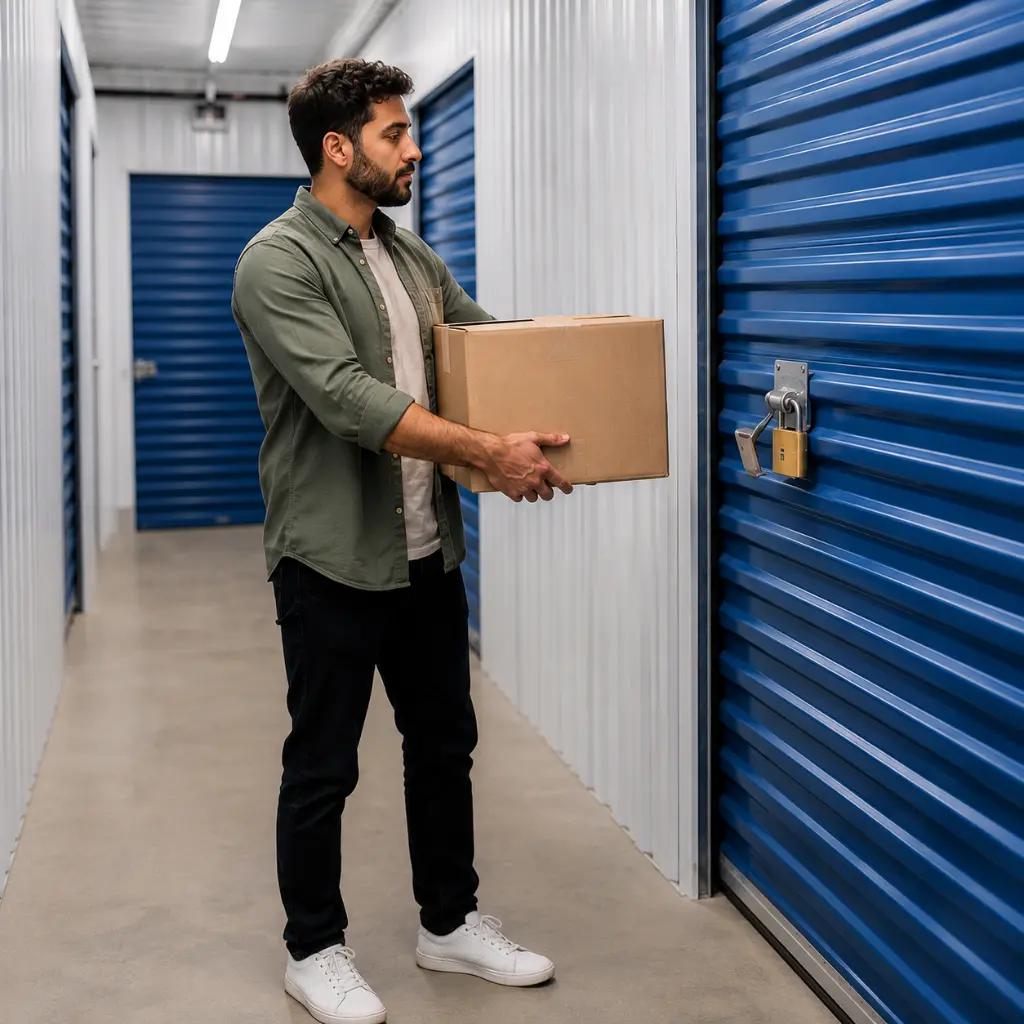
The storage provider can secure the wider site, but the lock on your own unit still matters. A strong, good-quality lock is a simple way to improve protection. Avoid using a weak or cheap lock, and keep keys or codes private. Storage security works best when both sides play their part. The facility manages access, monitoring, lighting, and maintenance, while you make sure your individual unit is properly secured.
Practical Steps You Can Take to Improve Storage Security
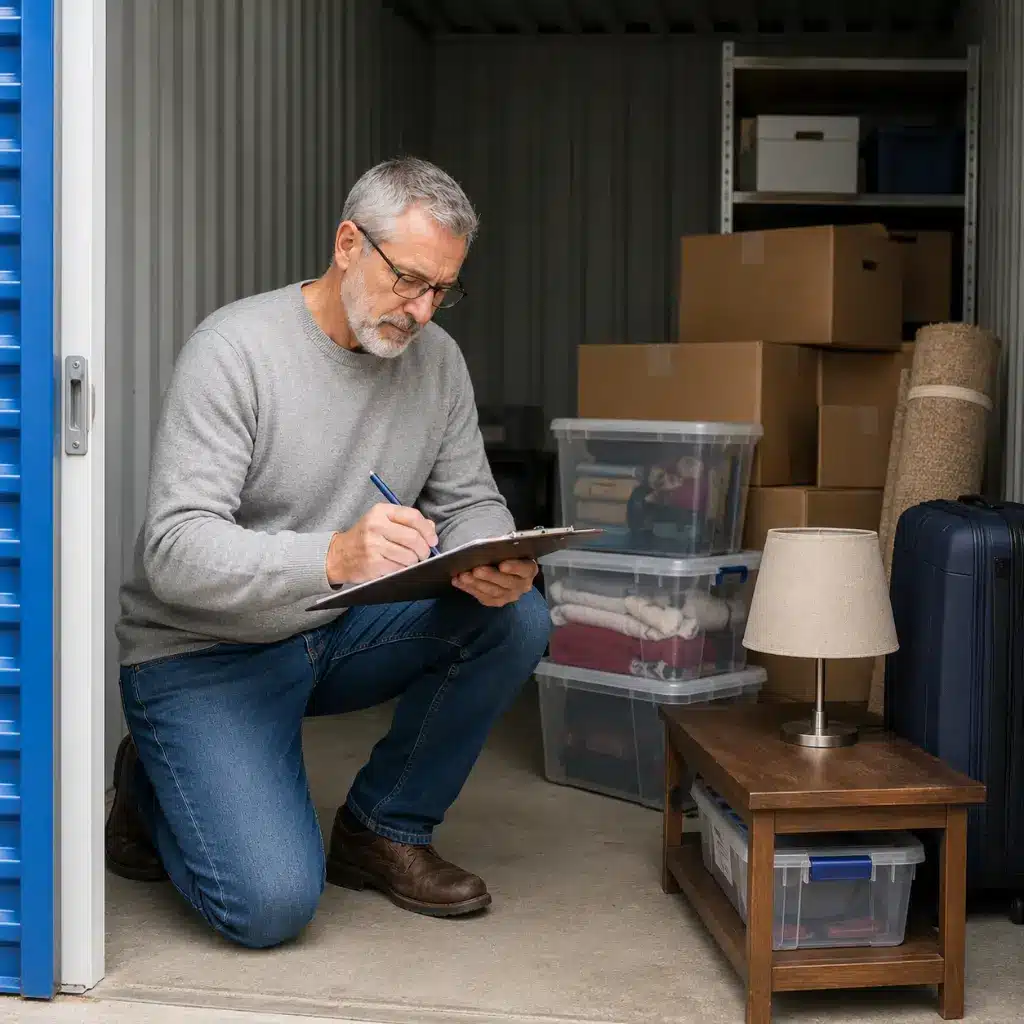
Although the storage provider is responsible for securing the wider site, customers also play an important role in protecting their belongings. Choose a high-quality lock that is suitable for long-term use and avoid sharing keys or access codes with anyone who does not need them. Keep an up-to-date inventory, including photographs of valuable items where appropriate, so you always know what is stored. Position higher-value belongings further inside the unit rather than near the entrance, and stack items carefully to reduce the risk of accidental damage. If you plan to use the unit over an extended period, occasional visits can help confirm everything remains secure and in good condition.
Why Storage Facility Maintenance Matters
The general condition of a storage facility often says a lot about how it is managed. Clean surroundings, working gates, strong fencing, clear lighting, and tidy access routes suggest regular attention. A neglected site can raise questions about wider care and supervision. When choosing secure storage units, look beyond the unit door. A facility that is actively maintained is more likely to take security seriously on a day-to-day basis.
Questions to Ask Before Choosing a Storage Unit
Before choosing a unit, ask a few direct questions. How is access controlled? Is the site monitored? What areas are covered by cameras? What type of lock is recommended? How is lighting managed? How often is the site checked or maintained? A reliable provider should be comfortable answering these questions clearly. The answers will help you understand whether the facility has a real security system in place, rather than relying on vague reassurance.
Making an Informed Secure Storage Choice
Every customer’s storage requirements are different, which is why understanding a facility’s security arrangements is an important part of choosing the right unit. They can also advise on the most suitable storage unit size based on the type and volume of belongings you plan to store. Experienced storage providers can explain how access is managed, what monitoring systems are in place, how customers secure their individual units, and what practical steps can help improve protection. Discussing these points before renting allows customers to make an informed decision based on the type of belongings they intend to store and how frequently they expect to visit the site.
Conclusion
So, how secure are self-storage units? The answer depends on the overall security measures provided by the facility and the precautions taken by the customer. A well-managed storage site combines controlled access, CCTV, lighting, secure boundaries, and routine maintenance to help protect stored belongings, while a quality lock and sensible packing provide additional protection for each individual unit. Before renting, take time to inspect the site, ask questions about its security arrangements, and choose a provider that is open about how the facility is managed. If you need further guidance, Doncaster Container Storage can help you understand the available security features and choose a storage solution that suits your requirements.